
In the automotive industry, a specific model designation often represents a fusion of distinct performance philosophies, creating a vehicle that excels in multiple, often contradictory, domains.
This concept involves equipping a vehicle with both high-performance, on-road capabilities and rugged, off-road hardware, resulting in a unique and highly versatile machine.
For example, a full-size sport utility vehicle could be engineered with a powerful engine tuned for rapid acceleration, typically found in a muscle car, while also incorporating an advanced four-wheel-drive system, increased ground clearance, and durable underbody protection for traversing challenging terrain.
This combination appeals to a niche market of consumers who demand uncompromising power for street driving and robust capability for outdoor adventures, all within a single, premium package.
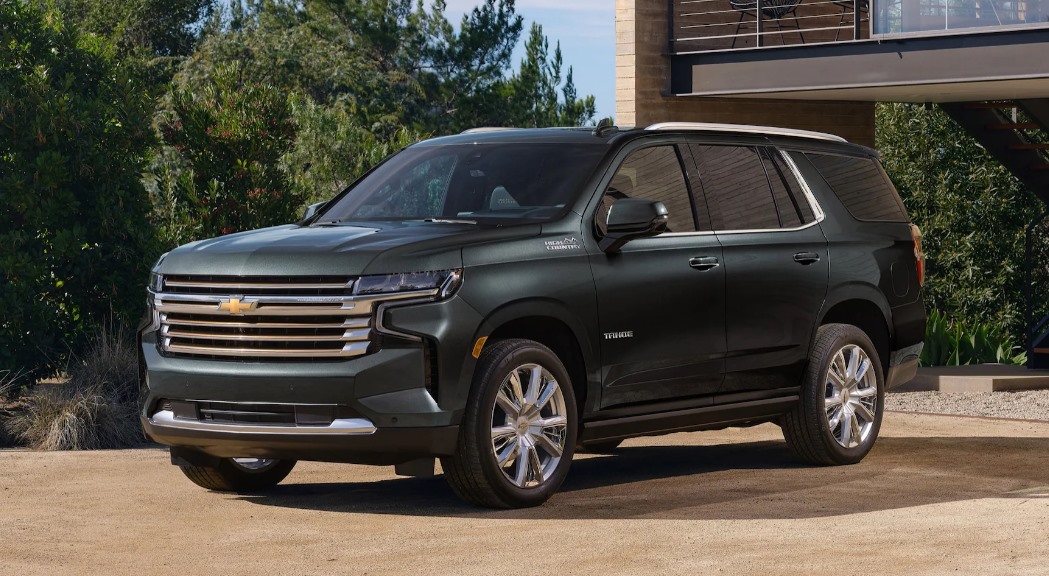
2026 Chevy Tahoe Z71 Ss
The concept of a 2026 Chevrolet Tahoe Z71 SS represents a bold and ambitious direction for the full-size SUV segment.
This theoretical model would merge two of the brand\’s most iconic performance packages into one definitive vehicle.
The Z71 designation has long been synonymous with off-road prowess, providing enhanced suspension, all-terrain tires, and protective skid plates.
Conversely, the SS (Super Sport) badge is a legendary mark of on-road performance, signifying a powerful engine, sport-tuned handling, and aggressive styling.
The creation of a Tahoe Z71 SS would aim to deliver the ultimate \”do-it-all\” SUV, a vehicle equally comfortable on a racetrack as it is on a rugged trail.
At the heart of such a vehicle would be its powertrain, which would need to deliver exceptional performance to justify the SS badge.
Speculation points towards the use of a high-output V8 engine, possibly a supercharged 6.2-liter V8 similar to the one found in the Cadillac Escalade-V.
This engine would likely produce well over 600 horsepower and a substantial amount of torque, enabling blistering acceleration and formidable towing capacity.
To manage this power, the vehicle would require a sophisticated 10-speed automatic transmission, calibrated for both aggressive performance shifts and smooth, low-speed crawling necessary for off-road situations.
While the SS package would dictate the powertrain, the Z71 influence would define its chassis and suspension.
Youtube Video:
A Tahoe Z71 SS would almost certainly feature an advanced Air Ride Adaptive Suspension system, allowing for adjustable ride height to maximize ground clearance for off-roading or lower the vehicle for improved aerodynamics and handling at high speeds.
This system would be complemented by Magnetic Ride Control, which reads the road surface a thousand times per second to adjust damping for superior body control.
This combination of technologies is crucial for reconciling the firm, responsive handling expected of an SS with the compliant, long-travel articulation required by the Z71.
The exterior design would need to communicate this dual-purpose nature visually.
It would likely retain the Z71\’s high-approach-angle front fascia and prominent red tow hooks but integrate SS-specific elements like a unique grille, larger air intakes, and a more aggressive hood profile.
Quad-tip exhaust outlets and exclusive SS badging would signal its performance credentials from the rear.
The vehicle would ride on large, distinctively styled wheels, likely 22 or 24 inches, wrapped in aggressive all-terrain tires that offer a balance of on-road grip and off-road traction.
Inside the cabin, the Z71 SS would feature a unique blend of luxury, technology, and sportiness.
Expect exclusive interior color schemes with contrasting stitching, carbon fiber or brushed aluminum trim, and prominent SS logos embroidered on the headrests and floor mats.
The seats would be aggressively bolstered to provide support during high-performance driving, yet remain comfortable for long journeys.
The standard Tahoe\’s large digital instrument cluster and infotainment screen would display performance-oriented graphics and an off-road status page, providing the driver with critical information for any situation.
Beyond raw performance, the vehicle must retain the practicality that makes the Tahoe a popular family vehicle.
Despite its performance enhancements, it would still offer three rows of seating and a cavernous cargo area, ensuring it can handle daily duties like school runs and grocery trips.
The advanced suspension would also contribute to a comfortable ride for all passengers, absorbing road imperfections with ease.
This commitment to utility would be a key differentiator, setting it apart from more specialized performance SUVs that sacrifice everyday usability for outright speed.
Towing capability, a hallmark of the Tahoe platform, would remain a critical feature.
The robust frame and powerful engine would allow the Z71 SS to pull heavy loads, such as boats or large trailers, with confidence.
Integrated trailering technology, including multiple camera views and an in-vehicle trailering app, would be standard, making the process of hitching and towing safer and more convenient.
This functionality ensures that the vehicle is not just a performance toy but a highly capable workhorse for owners with demanding recreational needs.
In the marketplace, the 2026 Chevy Tahoe Z71 SS would occupy a unique and prestigious position. It would compete against other high-performance, full-size SUVs like the Dodge Durango SRT Hellcat and the Ford Expedition Stealth Performance.
However, its dedicated off-road hardware from the Z71 package would give it a distinct advantage in capability over rivals that are primarily focused on street performance.
This unique positioning would attract a discerning buyer who wants ultimate power without being confined to paved roads.
The development of such a model would signify Chevrolet\’s confidence in the enduring appeal of high-performance internal combustion engines, even as the industry shifts towards electrification.
It would serve as a halo vehicle for the entire Tahoe lineup, showcasing the pinnacle of engineering and design possible on the platform.
While its existence remains speculative, the concept of a Tahoe Z71 SS generates significant excitement among enthusiasts, representing the ultimate expression of American full-size SUV performance and capability.
Key Aspects of a Performance-Oriented Off-Road SUV
- Hybridized Performance Philosophy
The most crucial point is the successful merging of two distinct performance identities.
This involves more than simply adding badges; it requires a deep engineering commitment to ensure the on-road aggression of an SS model does not compromise the off-road resilience of a Z71.
The suspension tuning, powertrain calibration, and even the tire selection must be carefully balanced to serve both masters effectively.
This creates a vehicle that can deliver a thrilling driving experience on pavement while also possessing the genuine hardware to tackle challenging trails, a feat that requires sophisticated and often expensive technological solutions.
- Advanced Powertrain Integration
A vehicle of this nature would be defined by its engine, which must provide overwhelming power and torque.
The integration of a supercharged V8 or a similarly high-output engine is fundamental to meeting the performance expectations of the SS badge.
This power must be delivered through a drivetrain capable of handling immense stress, including a strengthened transmission and a robust four-wheel-drive system with a two-speed transfer case.
The engine\’s cooling systems would also need significant upgrades to manage heat during high-performance driving and low-speed, high-load off-roading.
- Sophisticated Suspension and Chassis Dynamics
The chassis and suspension are where the true engineering challenge lies. Utilizing technologies like Magnetic Ride Control and Air Ride Adaptive Suspension is non-negotiable for achieving the desired duality.
These systems allow the vehicle\’s character to be transformed at the push of a button, from a firm, buttoned-down street machine to a flexible, high-clearance off-roader.
The ability to independently control damping and ride height is the key to providing both sharp handling and impressive trail capability without a debilitating compromise in either area.
- Purposeful and Aggressive Aesthetics
The visual design must clearly communicate the vehicle\’s dual capabilities.
This means blending the rugged, functional elements of the Z71 trim, such as its unique front bumper and skid plates, with the sporty, aggressive cues of the SS package, like a performance hood, larger wheels, and a quad-tip exhaust.
The final look should be imposing and athletic, signaling its special status from every angle. This distinctive styling is a major part of its appeal and helps justify its premium market position.
- Interior Refinement and Technology
The cabin must reflect the vehicle\’s top-tier status with premium materials, exclusive design touches, and the latest technology. Unique SS and Z71 branding, performance-style seats, and advanced driver-assist features would be expected.
The infotainment system would need to be comprehensive, offering performance metrics, off-road gauges, and seamless connectivity.
This ensures that the driving environment is as impressive as the vehicle\’s mechanical capabilities, providing a luxurious and engaging experience for both the driver and passengers.
- Uncompromised Utility and Practicality
Despite its extreme performance focus, the vehicle must retain the core utility of the base SUV. This includes offering ample space for passengers and cargo, as well as a significant towing capacity.
Preserving this practicality is essential because buyers in this segment often need a single vehicle that can serve multiple roles, from family transport to a recreational tow vehicle.
Failure to maintain this core functionality would severely limit its market appeal, regardless of its performance credentials.
- Market Positioning and Exclusivity
A model like the Tahoe Z71 SS would be a halo product, positioned at the very top of the lineup with a price tag to match.
Its production would likely be limited, enhancing its exclusivity and desirability among collectors and enthusiasts. It would serve as a powerful statement piece for the brand, demonstrating engineering prowess and a commitment to high-performance vehicles.
This exclusivity not only drives demand but also elevates the perception of the entire model range.
Considerations for a High-Performance SUV
- Analyze the Suspension Technology
When evaluating a vehicle that claims both on-road and off-road excellence, the suspension is the most critical component.
Investigate the specifics of the system, looking for features like adaptive dampers (such as Magnetic Ride Control) and adjustable air springs. These technologies are essential for providing the wide range of performance required.
Understand how the different drive modes affect ride height, stiffness, and overall handling to ensure the vehicle can genuinely adapt to different environments rather than offering a single, compromised setting.
- Evaluate Real-World Drivability
While extreme horsepower and off-road features are exciting, consider how the vehicle will perform in everyday driving situations. A powerful, supercharged engine may have different throttle responses and fuel consumption than a standard V8.
The large, all-terrain tires necessary for off-roading can sometimes lead to increased road noise and a firmer ride on pavement.
It is important to assess whether the vehicle\’s aggressive character aligns with the demands of daily commutes and family use.
- Verify Off-Road Credentials
Look beyond the badging and styling to verify the vehicle\’s actual off-road hardware.
This includes checking for a proper two-speed transfer case for low-range gearing, locking differentials, robust skid plates protecting the engine and fuel tank, and favorable approach and departure angles.
These components are what separate a truly capable off-road vehicle from one that simply has a rugged appearance. Without this essential equipment, the vehicle\’s ability to handle challenging terrain will be severely limited.
- Understand Long-Term Ownership Costs
A high-performance, technologically complex vehicle will inevitably come with higher long-term ownership costs.
The powerful engine will consume more fuel, and specialized components like the adaptive suspension and large performance brakes will be more expensive to service and replace.
High-performance, all-terrain tires also tend to wear more quickly and cost more than standard SUV tires. Factoring these increased maintenance and running costs into the budget is a crucial step before making a purchase decision.
The history of the Chevrolet Super Sport, or SS, package is deeply rooted in American automotive culture, originating in the 1960s as a symbol of ultimate performance.
Initially offered on models like the Impala, the SS badge quickly came to represent the most powerful engines, sport-tuned suspensions, and distinctive styling available from the factory.
Over the decades, it has graced a wide range of vehicles, from muscle cars like the Chevelle and Camaro to trucks like the 454 SS.
The application of this legendary badge to a Tahoe would be a significant event, signaling a commitment to a level of performance never before seen in Chevrolet\’s full-size SUV lineup.
In parallel, the Z71 package has built its own formidable reputation since its introduction on Chevrolet trucks.
Originally just an internal code for an off-road suspension package, Z71 evolved into a popular and highly recognizable trim level synonymous with rugged capability.
It traditionally includes upgraded shocks, a more robust suspension setup, all-terrain tires, underbody protection, and specific visual cues.
The package has enabled generations of truck and SUV owners to venture off the beaten path with confidence, making it a cornerstone of Chevrolet\’s reputation for durability and toughness.
At the core of any SS-badged vehicle is its engine, and the legacy of the small-block V8 is central to this identity.
A modern interpretation like a Tahoe Z71 SS would likely rely on the latest evolution of this architecture, potentially incorporating advanced technologies such as supercharging and direct injection to generate extreme levels of power.
This engine would not only need to provide breathtaking acceleration but also the low-end torque necessary for off-road maneuvering and heavy towing.
The engineering challenge lies in creating an engine that is both incredibly powerful and reliable enough to withstand the diverse demands placed upon it.
The role of adaptive suspension systems cannot be overstated in the context of modern performance vehicles.
Technologies that can alter a vehicle\’s ride height and damping characteristics on the fly are what make a dual-purpose vehicle like a Z71 SS feasible.
By constantly adjusting to driver inputs and road conditions, these systems can provide a level of handling precision that would have been impossible with a traditional fixed suspension.
This adaptability is the key to delivering a comfortable daily ride, sharp on-road dynamics, and compliant off-road articulation from a single chassis.
The competitive landscape for high-performance SUVs has become increasingly fierce, with manufacturers from around the world vying for dominance.
Vehicles like the Dodge Durango SRT Hellcat have set a high bar for straight-line acceleration, while European models from brands like BMW M and Mercedes-AMG offer track-focused handling.
A Tahoe Z71 SS would need to carve its own niche by offering a compelling combination of immense power, surprising agility, and a level of off-road capability that its primary competitors cannot match, thereby appealing to a buyer seeking ultimate versatility.
Even for a large, boxy SUV, aerodynamics play a crucial role when performance targets include high speeds.
Engineers would need to carefully manage airflow to ensure stability, reduce lift, and provide adequate cooling to the powerful engine and brakes.
This would involve a specially designed front fascia to channel air effectively, a functional hood scoop or vents to extract heat, and possibly even an underbody tray to smooth airflow.
These aerodynamic considerations are essential for ensuring the vehicle is safe and predictable when operating at the upper limits of its performance envelope.
Bringing a vehicle of this size, weight, and power to a safe stop requires a formidable braking system.
A Tahoe Z71 SS would necessitate massive, multi-piston calipers and large-diameter vented rotors, likely supplied by a renowned performance brake manufacturer like Brembo.
This system would need to provide exceptional stopping power and resist brake fade during repeated high-speed use or when controlling descent on a steep off-road grade.
The brakes are a critical safety and performance component that must be over-engineered to handle the vehicle\’s extreme capabilities.
In an era of increasing environmental awareness, balancing extreme performance with some semblance of efficiency is a significant consideration.
While the primary focus of an SS model is power, modern engine technologies like cylinder deactivation and sophisticated engine management systems can help mitigate fuel consumption during normal driving.
While no one would expect such a vehicle to be an efficiency champion, these technologies make it more viable as a daily driver and demonstrate a manufacturer\’s effort to adapt performance principles to contemporary expectations.
The underlying platform of the Chevrolet Tahoe provides an excellent foundation for a high-performance variant. Its robust, body-on-frame construction offers the durability required for both off-roading and handling high horsepower outputs.
The independent rear suspension, a relatively recent addition to the platform, significantly improves ride quality and handling precision, making it more suitable for an SS application.
This strong and modern architecture is what makes the ambitious concept of a Z71 SS a plausible engineering exercise rather than a mere fantasy.
The very idea of a supercharged, V8-powered Tahoe Z71 SS raises questions about the future of internal combustion performance.
As the automotive industry pivots towards electrification, such a vehicle could represent a final, celebratory crescendo for traditional V8 power.
It would serve as a \”last hurrah\” for enthusiasts who cherish the sound and feel of a large-displacement engine.
Alternatively, it could exist alongside future high-performance electric SUVs, offering a different flavor of performance for a diverse customer base for years to come.
Frequently Asked Questions
John asks: \”With all the focus on high-performance from the SS package, would a hypothetical 2026 Chevy Tahoe Z71 SS have to compromise on its towing and hauling capabilities?\”
Professional\’s Answer: That\’s an excellent and practical question, John. While the suspension would be tuned for performance, a key goal for a vehicle like this would be to preserve the Tahoe\’s fundamental utility.
The powerful engine and robust frame that would be required for an SS model would actually be beneficial for towing.
We would expect it to feature an enhanced cooling system and a factory-integrated trailer brake controller, maintaining a high towing capacity.
The Air Ride suspension would also be a major asset, allowing for load-leveling to ensure stability and safety when hauling heavy trailers.
Sarah asks: \”I\’m intrigued by the combination, but I\’m worried about how it would drive. How would the on-road handling of an SS model feel with the potentially softer, long-travel suspension from the Z71 package?\”
Professional\’s Answer: It\’s completely understandable to be curious about how those two characteristics would coexist, Sarah.
The key to making it work lies in advanced technology like Magnetic Ride Control and the Air Ride Adaptive Suspension.
In a \”Sport\” or \”Track\” mode, the system would firm up the dampers and lower the ride height, creating a very stable and responsive feel with minimal body roll, much like you\’d expect from an SS.
In an \”Off-Road\” or \”Normal\” mode, it would soften the damping and raise the vehicle for more compliance.
This technology allows the vehicle to have multiple personalities, so you wouldn\’t be stuck with a single, compromised setup.
Ali asks: \”A vehicle that combines the best of two premium packages sounds like it would be very expensive.
What kind of price premium should be expected for a vehicle like the Z71 SS compared to a standard High Country or Z71 model?\”
Professional\’s Answer: You are right to anticipate a significant price point, Ali. A halo vehicle like this would sit at the very top of the model range.
Considering the cost of a supercharged powertrain, advanced suspension technologies, exclusive aesthetics, and premium interior appointments, its price would likely be well above the most expensive current Tahoe models.
It would be positioned as a limited-production, specialty vehicle, and its price would reflect that exclusivity and the high level of engineering involved.
It would be a substantial investment, aimed at the most discerning enthusiast customer.
Maria asks: \”This all sounds amazing, but is there any official confirmation from Chevrolet about this model actually being produced, or is this purely speculation at this point?\”
Professional\’s Answer: That\’s the most important question to ask, Maria, and we appreciate you seeking clarity.
As of now, the 2026 Chevy Tahoe Z71 SS is a speculative concept based on enthusiast interest and the potential of Chevrolet\’s available technology.
The company has not made any official announcements confirming its development or production.
While the components to build such a vehicle exist within the GM portfolio, its creation remains in the realm of possibility and discussion among automotive experts and fans.
It\’s best to treat it as an exciting \”what if\” scenario until any official word comes directly from Chevrolet.
Top SUVs New 2024:
 2026 Chevrolet Tahoe Redesign, Specs, and Price