
In the automotive industry, a specific future model year designation for a vehicle functions as a proper noun.
This term identifies a particular iteration of a vehicle that is anticipated but not yet officially released, embodying expected advancements in technology, design, and performance.
For instance, discussions might revolve around the \”2025 Chevrolet Silverado\” or the \”2027 Toyota 4Runner,\” with each nameplate representing a distinct point in that vehicle\’s evolutionary timeline.
Such designations are crucial for manufacturers, consumers, and industry analysts to track progress and set expectations for future products.
This forward-looking nomenclature allows for a structured conversation about upcoming changes, from powertrain updates to complete generational redesigns, long before the vehicle arrives in showrooms.
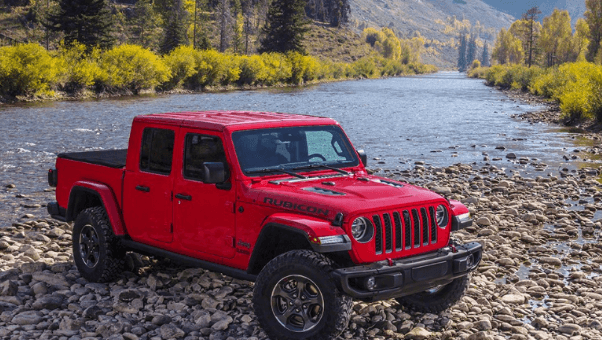
2026 Jeep Gladiator
Anticipation within the mid-size pickup truck segment is steadily building for the prospective 2026 Jeep Gladiator.
As a vehicle that uniquely blends the iconic open-air freedom of the Wrangler with the utility of a cargo bed, the Gladiator holds a special place in the market.
The 2026 model year is particularly significant as it is expected to introduce substantial updates, potentially marking the first major evolution since its reintroduction.
Industry observers and brand enthusiasts are keenly watching for official announcements from Stellantis, hoping for innovations that will sharpen its competitive edge and enhance its legendary capabilities.
This upcoming model represents a pivotal moment for the nameplate to address feedback on its current generation and set a new benchmark for adventure-focused trucks.
One of the most significant areas of speculation for the 2026 Jeep Gladiator centers on its powertrain options.
The venerable 3.6-liter Pentastar V6 engine, while reliable, is expected to be supplemented or potentially replaced by more modern, efficient, and powerful alternatives.
Strong indicators point towards the integration of the 4xe plug-in hybrid system, which has already proven successful in the Wrangler and Grand Cherokee, offering impressive torque and the ability for silent, all-electric off-roading.
Furthermore, the introduction of the new \”Hurricane\” twin-turbocharged inline-six engine is a distinct possibility, which would provide a substantial boost in both horsepower and torque, appealing to buyers who demand higher performance for towing and hauling.
Youtube Video:
The exterior design of the 2026 Jeep Gladiator is another focal point of discussion, with possibilities ranging from a subtle refresh to a more comprehensive redesign.
While the quintessential seven-slot grille and round headlights are brand-defining elements unlikely to be abandoned, they may see modern interpretations similar to recent updates in the Wrangler lineup.
Enhancements could include redesigned front and rear fascias, updated LED lighting signatures for improved visibility and a more contemporary look, and a new assortment of wheel designs across the trim levels.
Additionally, new exterior color palettes and special edition packages are almost certain to be introduced, continuing Jeep\’s tradition of offering extensive personalization options to its customer base.
Inside the cabin, the 2026 Jeep Gladiator is poised for a significant technological and material overhaul to meet evolving consumer expectations.
A primary upgrade is likely to be the integration of the latest Uconnect 5 infotainment system, housed within a larger, more responsive touchscreen display that could exceed 12 inches.
This system would offer faster processing speeds, wireless Apple CarPlay and Android Auto, and more connected services.
Accompanying this centerpiece could be a fully digital instrument cluster, providing drivers with customizable readouts for vehicle data, navigation, and off-road-specific information, all wrapped in a dashboard featuring more refined materials and improved ergonomics.
As a vehicle built on the promise of go-anywhere capability, the 2026 Jeep Gladiator is expected to further advance its off-road prowess.
The highly capable Rubicon and Mojave trims will likely receive the most significant upgrades, potentially including next-generation Dana axles, enhanced suspension components, and more sophisticated electronic systems for managing traction and articulation.
New features might include advanced off-road camera systems providing multiple views around the vehicle to navigate tight trails, as well as updated off-road pages in the infotainment system that offer more detailed real-time data.
These enhancements would serve to solidify the Gladiator\’s position as the most capable pickup in its class right off the showroom floor.
A crucial area for improvement in the 2026 Jeep Gladiator is the suite of available safety and driver-assistance features.
While the current model offers some modern systems, the next iteration is expected to incorporate a more comprehensive array of advanced driver-assistance systems (ADAS).
This could include the addition of a more advanced adaptive cruise control system with stop-and-go functionality, a more robust lane-keeping assist system, and perhaps even hands-free driving assistance technology on certain trims.
The expansion of these features is essential for the Gladiator to remain competitive against rivals that have made significant strides in active safety technology, appealing to buyers who use their truck for daily commuting as well as weekend adventures.
A fundamental question surrounding the 2026 Jeep Gladiator is whether it will continue on its current architecture or migrate to the new STLA Frame platform.
This advanced body-on-frame platform is designed by Stellantis to accommodate a wide range of powertrains, including internal combustion, hybrid, and fully electric variants.
A shift to the STLA Frame could bring substantial benefits, such as improved on-road ride quality and handling, a stronger and lighter chassis, and the structural foundation needed for a future all-electric Gladiator.
Such a move would represent a true generational leap, fundamentally altering the vehicle\’s engineering while preserving its core mission and identity.
The trim lineup for the 2026 Jeep Gladiator is expected to be refined, offering a clear hierarchy of models tailored to different buyers.
The foundational Sport and Willys trims will likely continue to serve as accessible entry points into the Gladiator family, while the Overland trim will cater to those seeking more comfort and premium features.
The specialized Rubicon and Mojave trims will remain the top-tier off-road champions, for rock crawling and high-speed desert running, respectively.
It is also highly probable that Jeep will introduce new special editions or appearance packages throughout the model year, a strategy that has proven immensely popular for maintaining consumer interest and offering unique aesthetic combinations.
In the fiercely competitive mid-size truck market, the 2026 Jeep Gladiator must strategically position itself against a field of recently redesigned rivals.
Competitors like the Ford Ranger, Toyota Tacoma, and Chevrolet Colorado have all received major updates, bringing new technologies, powertrains, and capabilities to the segment.
The Gladiator\’s success will depend on its ability to leverage its unique advantages, such as its solid front axle, removable top and doors, and unmistakable Jeep character.
By integrating modern powertrains and advanced technology while doubling down on its off-road supremacy, the 2026 Gladiator can effectively carve out its niche and appeal to lifestyle-oriented buyers who value capability above all else.
Regarding its market launch, industry patterns suggest that details about the 2026 Jeep Gladiator could begin to emerge in late 2024 or early 2025, with a potential official debut later that year.
The vehicle would then likely arrive at dealerships in the latter half of 2025 as a 2026 model.
Pricing will undoubtedly reflect the new technologies and potential powertrain upgrades, likely seeing a moderate increase across the trim levels.
Jeep will need to carefully balance the price point to ensure the Gladiator remains a compelling value proposition, offering a unique blend of utility and adventure that justifies its premium position within the mid-size truck segment.
Key Expectations for the 2026 Model Year
- Powertrain Modernization: A primary expectation for the 2026 model is a significant evolution in its engine lineup. This involves moving beyond the long-serving Pentastar V6 to include more advanced options that prioritize efficiency and power. The introduction of the 4xe plug-in hybrid would align the Gladiator with Jeep\’s broader electrification strategy, while the availability of the Hurricane inline-six engine would cater directly to performance enthusiasts and those with demanding towing needs.
- Advanced Electrification Strategy: The integration of the 4xe plug-in hybrid system is poised to be a cornerstone of the 2026 Gladiator\’s appeal. This technology would not only offer improved fuel economy and reduced emissions but also provide the unique benefit of nearly silent, electric-only operation on trails, enhancing the outdoor experience. The instant torque from the electric motor would also be a major asset for technical off-roading, providing precise control and immediate power delivery when navigating obstacles.
- Comprehensive Technology Integration: The 2026 Gladiator is expected to feature a cabin rich with modern technology to enhance the user experience. The centerpiece will likely be the Uconnect 5 system on a large, tablet-style touchscreen, offering vastly improved connectivity and processing power over the previous generation. This, combined with a potential full-digital driver display and more USB ports, would make the vehicle\’s interior a more connected and user-friendly environment for both daily driving and extended trips.
- Thoughtful Design Evolution: While retaining its iconic and rugged aesthetic, the 2026 Gladiator will likely undergo a thoughtful design evolution. This may include a refreshed front grille, more sophisticated full-LED lighting, and new wheel options to modernize its appearance without alienating its loyal fanbase. The focus will be on refining the existing design language to project a more contemporary and premium feel while ensuring all changes are functional and true to the Jeep brand ethos.
- Uncompromised Off-Road Prowess: Building on its already formidable reputation, the 2026 Gladiator is anticipated to feature even greater off-road capability. Upgrades to the Rubicon and Mojave models could include next-generation suspension systems, stronger axle components, and more intelligent off-road software. These enhancements will ensure the Gladiator not only keeps pace with but continues to lead the segment in trail-rated performance, appealing directly to the core demographic of adventure seekers.
- Expanded Suite of Safety Systems: A significant upgrade is expected in the realm of active safety and driver assistance. The 2026 Gladiator will likely offer a more comprehensive suite of ADAS features, such as improved adaptive cruise control, lane-centering technology, and more advanced emergency braking systems. This focus on safety is critical for broadening the vehicle\’s appeal to families and making it a more comfortable and secure vehicle for long-distance highway travel.
- Potential Migration to STLA Frame: The possibility of the 2026 Gladiator being built on the new STLA Frame platform represents a monumental shift. This next-generation architecture is designed for superior strength, better on-road manners, and native support for electrification, including a potential future all-electric version. A platform change would signal a long-term commitment to the Gladiator\’s future and provide a robust foundation for innovation for years to come.
- Elevated Interior Refinement: The interior of the 2026 Gladiator is expected to see a marked increase in quality and refinement. This includes the use of more soft-touch materials, improved fit and finish, and more thoughtful ergonomic design throughout the cabin. By creating a more comfortable and premium interior environment, Jeep can better compete with rivals that have made significant strides in cabin comfort, making the Gladiator a more pleasant vehicle for everyday use.
- Strategic Competitive Positioning: In a revitalized mid-size truck market, the 2026 Gladiator\’s positioning will be crucial. It must effectively communicate its unique value proposition as the only open-air pickup truck with unparalleled off-road heritage. By blending this distinct identity with modern technology, improved powertrains, and enhanced safety, it can successfully differentiate itself from more conventional competitors and attract a dedicated buyer base.
- Adjusted Pricing and Value: The introduction of new features and technologies will likely result in an adjusted pricing structure for the 2026 Gladiator. The manufacturer will need to carefully structure the trim levels and options packages to provide clear value to consumers. The goal will be to justify the premium cost with tangible benefits in performance, capability, and technology, ensuring that customers feel they are receiving a vehicle worthy of the investment.
Considerations for Potential Buyers
- Monitor Official Stellantis and Jeep Channels: For the most accurate and up-to-date information, prospective buyers should closely follow official sources. Automakers often release information in stages, starting with teasers, followed by detailed press releases and media events. Subscribing to Jeep\’s official newsletters and following their social media accounts is the best way to receive credible information and avoid speculation or misinformation as the launch date approaches.
- Carefully Evaluate New Powertrain Options: When the 2026 Gladiator is officially announced, it will be essential to carefully consider the benefits of each powertrain. The 4xe plug-in hybrid will appeal to those prioritizing fuel efficiency and innovative technology, while the Hurricane engine will be the choice for maximum power and towing. Buyers should assess their typical driving habits, performance needs, and long-term budget for fuel and maintenance to select the engine that best aligns with their lifestyle.
- Align Trim Level with Intended Use: The Gladiator lineup offers highly specialized trims, and choosing the right one is critical for satisfaction. The Rubicon is engineered for low-speed rock crawling with its locking differentials and disconnecting sway bar, whereas the Mojave is purpose-built for high-speed desert environments with its unique suspension. Buyers who primarily drive on-road might find the Sport or Overland trims more comfortable and cost-effective, so a realistic assessment of intended use is paramount.
- Budget for Inevitable Customization: The Jeep community thrives on personalization, and the Gladiator is one of the most frequently modified vehicles on the market. Potential owners should anticipate the desire to customize their truck with items like larger tires, suspension lifts, winches, and auxiliary lighting. Factoring in a budget for these aftermarket additions from the outset can help manage overall ownership costs and allow for a more personalized and capable vehicle.
- Analyze Long-Term Ownership Costs: Beyond the initial purchase price, it is wise to consider the long-term costs associated with a new vehicle, especially one with new powertrain technology. Research potential differences in insurance rates, maintenance schedules for hybrid or turbocharged engines, and fuel economy in real-world conditions. Additionally, considering the potential resale value of different configurations can inform a more financially sound purchasing decision over the life of the vehicle.
Exploring Broader Context and Technology
The STLA Frame platform represents a cornerstone of Stellantis\’s future strategy for its trucks and large SUVs.
This body-on-frame architecture is engineered with a \”multi-energy\” approach, meaning it can accommodate traditional internal combustion engines, plug-in hybrid systems, and fully electric powertrains with large battery packs.
For a vehicle like the 2026 Jeep Gladiator, migrating to this platform would be transformative, offering improved structural rigidity for better payload and towing, enhanced on-road dynamics, and a clear pathway to a fully electric version without compromising its rugged, off-road-focused design principles.
The significance of the 4xe plug-in hybrid system extends beyond mere fuel efficiency.
For the off-road community, it introduces a new dimension to trail driving by enabling near-silent operation in electric mode, allowing for a more immersive natural experience.
The instant and controllable torque from the electric motor is a major advantage in technical rock-crawling situations, where precise throttle modulation is key.
This technology effectively bridges the gap between environmental consciousness and hardcore capability, demonstrating that electrification can enhance, rather than detract from, the core mission of a Jeep vehicle.
The Hurricane engine family is Stellantis\’s answer to the demand for more powerful and efficient powertrains in a downsized package.
This 3.0-liter twin-turbocharged inline-six engine is designed to deliver V8-levels of horsepower and torque while offering superior fuel economy and lower emissions compared to larger displacement engines.
Its integration into the 2026 Jeep Gladiator would provide a significant performance boost, making the truck more capable for towing heavy loads, accelerating onto highways, and providing thrilling on- and off-road performance, thereby broadening its appeal to power-hungry buyers.
The evolution of the Uconnect infotainment system has been a critical part of the modern Jeep experience.
The anticipated Uconnect 5 in the 2026 Jeep Gladiator is built on an Android automotive operating system, offering faster response times, over-the-air (OTA) update capabilities, and a highly customizable interface.
With features like wireless smartphone integration, TomTom-based navigation, and an array of connected services, the system transforms the vehicle\’s cabin into a connected hub, making it easier for drivers to navigate, stay entertained, and access important vehicle information on the go.
The Jeep Gladiator nameplate carries a rich heritage that predates its modern iteration by several decades.
Originally produced from 1962 to 1988, the first Gladiator was based on the Wagoneer platform and was known for its toughness and versatility.
Reviving this historic name for the modern Wrangler-based pickup was a deliberate choice by Jeep to connect with its legacy of building capable utility vehicles.
The 2026 model will continue to carry this torch, blending nostalgic brand identity with the forward-looking technology and performance that modern consumers demand.
The mid-size pickup truck market has undergone a dramatic renaissance, shifting from basic work vehicles to sophisticated, feature-rich lifestyle machines.
Competitors have invested heavily in technology, interior comfort, and diverse powertrain options, raising the bar for the entire segment.
The 2026 Jeep Gladiator enters this highly competitive arena with its unique open-air concept and off-road DNA as key differentiators.
Its ability to innovate while staying true to its core identity will be the determining factor in its continued success against a host of formidable and freshly updated rivals.
A defining characteristic of Jeep ownership is the vibrant and extensive aftermarket community. No other truck brand inspires the same level of customization and personalization.
The 2026 Jeep Gladiator will undoubtedly be supported by a massive ecosystem of third-party manufacturers offering everything from suspension lifts and armor to custom interior components and performance modifications.
This robust aftermarket support is a significant part of the vehicle\’s value proposition, allowing owners to build a truck that is perfectly tailored to their specific needs and aesthetic preferences.
Stellantis has laid out an ambitious global electrification plan, and the 2026 Jeep Gladiator is a key piece of that puzzle in the North American market.
The push towards electrification, starting with the 4xe plug-in hybrid, is driven by a combination of tightening emissions regulations, growing consumer interest in EVs, and a desire to be a leader in sustainable mobility.
The experience gained from the Gladiator 4xe will inform the development of a potential future all-electric model on the STLA Frame, ensuring Jeep remains relevant and competitive in an increasingly electric automotive landscape.
A frequent comparison point for potential buyers is the choice between the Jeep Gladiator and its sibling, the Wrangler Unlimited (4-Door).
While both share a platform, powertrain, and the iconic open-air experience, their core utilities are different.
The Wrangler offers a fully enclosed and secure cargo area and a shorter wheelbase for superior breakover angles on tight trails.
Conversely, the Gladiator provides the versatility of a five-foot open cargo bed, ideal for hauling larger gear, and a longer wheelbase that offers greater stability at speed and while towing.
The decision ultimately comes down to a buyer\’s priority: the enclosed security of an SUV or the open-bed utility of a pickup.
Frequently Asked Questions
John asks: \”With all the talk about electrification, is there any chance the 2026 Jeep Gladiator will be offered as a fully electric model, or just a hybrid?\”
Professional\’s Answer: That\’s an excellent question, John. Based on industry trends and Stellantis\’s announced platform strategies, a 4xe plug-in hybrid version of the 2026 Gladiator is the most probable electrified option at launch.
This technology is already proven in the Jeep lineup. However, the potential shift to the new STLA Frame platform is specifically designed to accommodate a fully electric powertrain.
While a full EV Gladiator might not be available for the 2026 model year itself, that platform change would pave the way for one to be introduced in the years immediately following, making it a very real future possibility.
Top SUVs New 2024:
 2026 Jeep Gladiator Price, Changes