
A highly anticipated, future-model-year iteration of a renowned mid-size pickup truck, specifically representing its highest off-road-performance trim level equipped with a compression-ignition engine.
This combination signifies a vehicle engineered for maximum torque, fuel efficiency, and rugged capability, targeting a niche but dedicated segment of automotive enthusiasts.
Such a vehicle blends the proven durability of its platform with a powertrain choice often favored for its towing prowess and low-end power delivery, ideal for technical off-road challenges.
For instance, the market previously saw the Chevrolet Colorado ZR2 offered with a 2.8-liter Duramax turbo-diesel, which became a benchmark for combining off-road hardware with a torque-heavy engine.
Another relevant example is the Jeep Gladiator Rubicon, which was available with a 3.0-liter EcoDiesel V6, providing immense torque for rock crawling and overlanding.
These models demonstrate the successful application of diesel power in a dedicated, factory-built off-road platform, setting a precedent for what consumers might expect from other manufacturers.
The core concept revolves around the fusion of three distinct elements: a future model year designation, a specific and highly regarded vehicle nameplate, and a specialized powertrain and trim package.
This convergence creates a product that is not just an incremental update but a significant new offering aimed at the pinnacle of its market segment.
The anticipation for such a model is often fueled by market trends, competitor offerings, and the manufacturer\’s global portfolio, where similar powertrains may already exist in other regions.
This speculation points toward a vehicle designed to offer uncompromising performance for the most demanding off-road and utility-focused consumers.
2026 Toyota Tacoma Diesel Trd Pro
The prospect of a 2026 Toyota Tacoma featuring a diesel engine, particularly in its top-tier TRD Pro configuration, represents a significant development in the mid-size truck market.
This vehicle remains a highly speculative but intensely discussed topic among industry analysts and enthusiasts.
The conversation is driven by Toyota\’s global reputation for durable diesel engines, seen in platforms like the legendary Hilux, and a persistent demand in the North American market for more torque-focused powertrain options.
A diesel-powered Tacoma TRD Pro would aim to be the ultimate expression of off-road capability and long-range efficiency within the brand\’s celebrated truck lineup.
The introduction of a diesel powertrain would fundamentally alter the performance characteristics of the Tacoma platform.
Youtube Video:
Unlike the high-revving nature of gasoline engines, a turbo-diesel would provide substantial low-end torque, a critical advantage in technical off-road scenarios such as rock crawling or navigating steep, slippery inclines.
This characteristic allows for greater control and pulling power at very low speeds, reducing strain on the drivetrain and enhancing driver confidence.
Furthermore, the inherent efficiency of diesel engines could offer superior fuel economy, extending the vehicle\’s range for overlanding and remote expeditions.
Speculation regarding the specific engine centers on a modern, refined turbo-diesel, possibly a four-cylinder unit similar to those found in Toyota\’s global products like the Land Cruiser Prado or Hilux.
A hypothetical 2.8-liter turbo-diesel could be engineered to meet stringent North American emissions standards while delivering impressive performance figures.
Industry watchers anticipate output numbers that would prioritize torque over horsepower, potentially exceeding 400 lb-ft, providing formidable towing and hauling capabilities that could rival or surpass its gasoline and hybrid counterparts in specific applications.
As a TRD Pro model, this Tacoma would be equipped with a suite of elite off-road hardware designed to complement the diesel engine\’s strengths.
This would likely include position-sensitive, high-performance shocks, such as those from FOX or Bilstein, providing superior damping and control over rough terrain.
The suspension would be factory-lifted for increased ground clearance and wheel travel, paired with rugged all-terrain tires, forged aluminum upper control arms, and extensive underbody skid plates to protect vital components from damage during serious off-road use.
The exterior design would undoubtedly reflect its status as the apex predator of the Tacoma family.
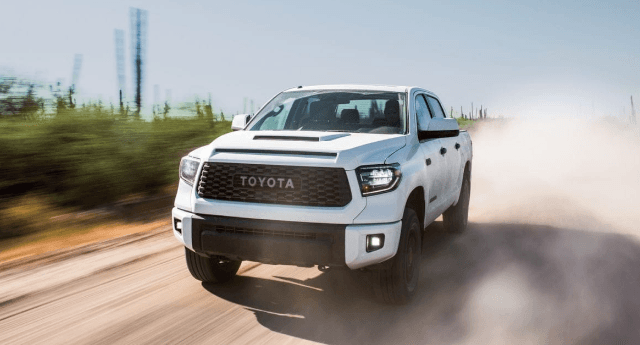
Distinctive TRD Pro styling cues, such as a heritage-inspired grille with prominent \”TOYOTA\” lettering, a functional hood scoop, and unique badging, would set it apart.
It would also likely feature integrated off-road lighting, high-clearance bumpers to improve approach and departure angles, and aggressive fender flares to accommodate the robust wheel and tire package.
The overall aesthetic would be one of purposeful aggression, signaling its capability before it ever leaves the pavement.
Inside the cabin, the vehicle would merge rugged functionality with modern technology and comfort. The interior would feature TRD Pro-specific branding on seats, shift knobs, and all-weather floor mats.
Materials would be chosen for durability, such as SofTex-trimmed seats, while still offering premium amenities.
A large central touchscreen infotainment system with advanced trail-mapping software, a multi-terrain monitor camera system, and a premium audio system would ensure the vehicle is as technologically advanced as it is mechanically capable.
Towing and payload capacities would be a major focus for a diesel-powered Tacoma.
The immense torque from the diesel engine would theoretically allow it to handle heavier loads with less effort compared to its gasoline counterparts.
This would make it an exceptionally attractive option for consumers who frequently tow boats, campers, or utility trailers.
The reinforced frame and robust suspension of the TRD Pro trim would further ensure that it remains stable and composed while managing these demanding tasks, solidifying its position as a versatile work and recreation vehicle.
In the competitive landscape, a Tacoma Diesel TRD Pro would directly challenge other off-road-focused mid-size trucks.
It would offer a unique selling proposition against competitors like the Ford Ranger Raptor and Chevrolet Colorado ZR2, which currently focus on high-output gasoline engines.
By providing a diesel option, Toyota would cater to a segment of buyers who prioritize the unique benefits of torque and efficiency, potentially capturing market share from those who have historically looked to full-size trucks or other brands for these attributes.
The impact on the overlanding and off-road community could be profound.
This vehicle would represent a turnkey solution for serious adventurers, combining Toyota\’s renowned reliability with the long-range capability and low-speed control of a diesel engine.
The extended fuel range would be particularly beneficial for multi-day trips into remote areas where refueling stations are scarce.
The robust factory-installed off-road equipment would also reduce the need for immediate aftermarket modifications, providing a highly capable platform right from the showroom floor.
Ultimately, the realization of a 2026 Toyota Tacoma Diesel TRD Pro hinges on Toyota\’s strategic decisions regarding market demand, emissions regulations, and production feasibility.
Should it come to fruition, it would likely command a premium price point, reflecting its specialized nature and top-of-the-line components.
This model would not be a volume seller but rather a halo vehicle, showcasing the pinnacle of Toyota\’s engineering prowess and reaffirming its commitment to building some of the most capable and durable trucks in the world.
Key Anticipated Features and Specifications
- Torque-Centric Diesel Powertrain: The centerpiece of this model would be a modern turbo-diesel engine, likely adapted from Toyota\’s global portfolio. This powertrain would be engineered specifically for the North American market, focusing on delivering a massive wave of low-end torque for superior off-road control and towing capability. Unlike high-revving gasoline engines, this unit would provide effortless power just above idle, allowing for precise maneuvering in challenging environments. The emphasis would be on functional strength and efficiency rather than outright horsepower, appealing to a core group of truck purists.
- Elite TRD Pro Off-Road Suspension: Building upon the TRD Pro legacy, this vehicle would feature a highly advanced, factory-installed suspension system. Expect to see brand-name internal bypass shocks with remote reservoirs, offering exceptional performance across a wide range of conditions, from high-speed desert running to slow-speed articulation. The suspension would be complemented by unique TRD-tuned springs and forged aluminum components to increase wheel travel, enhance durability, and provide a factory lift for superior ground clearance and obstacle-clearing ability.
- Purpose-Built Exterior and Armor: The vehicle\’s design would be a clear statement of its off-road intent. A high-clearance front bumper, robust aluminum skid plates protecting the engine and transfer case, and rock rails would be standard equipment. Unique styling elements, including a distinctive grille, aggressive wheel designs wrapped in all-terrain tires, and exclusive color options, would ensure it is instantly recognizable. Every exterior modification would serve a functional purpose in enhancing its ruggedness and trail-readiness.
- Advanced Trail Technology Suite: Modern off-roading is as much about technology as it is about mechanical grip, and this model would be equipped accordingly. It would likely feature Toyota\’s most advanced Multi-Terrain Select and Crawl Control systems, optimized for the diesel powertrain\’s torque delivery. A sophisticated camera system, including underbody views, would provide critical visibility on the trail. The central infotainment screen would integrate off-road navigation and vehicle pitch and roll displays, serving as a digital command center for any expedition.
- Enhanced Towing and Payload Utility: The practical benefits of the diesel engine would extend to its utility as a workhorse. The anticipated high torque output would translate into a significant towing capacity, potentially leading the mid-size segment. The chassis and suspension would be engineered to handle these loads with confidence, making it a dual-purpose vehicle for both extreme recreation and demanding hauling tasks. This enhanced utility would broaden its appeal beyond pure off-road enthusiasts to those needing a capable and efficient daily driver.
- Premium and Durable Interior: Inside, the cabin would strike a balance between premium comfort and rugged durability. TRD Pro-exclusive branding, contrast stitching, and high-quality, weather-resistant materials would define the space. While built to withstand mud and dirt, it would not skimp on modern conveniences, featuring heated and ventilated front seats, a premium sound system, and a full suite of driver-assistance features. The interior would be designed to be a comfortable and connected base of operations for long journeys on and off the road.
Considerations for Prospective Buyers
- Monitor Official Toyota Announcements: Since this vehicle is speculative, the most critical step for any interested buyer is to follow official news sources. Keep a close watch on the Toyota Newsroom, major auto shows, and reputable automotive publications for any confirmed details regarding new powertrains or trim levels for the Tacoma. Avoid making financial decisions based on rumors, and wait for a formal announcement from the manufacturer to confirm specifications, pricing, and availability.
- Evaluate Powertrain Needs and Trade-offs: A diesel engine offers distinct advantages in torque and potential fuel economy, but it also comes with trade-offs. Prospective buyers should consider their primary use case. If heavy towing and low-speed off-roading are top priorities, a diesel may be ideal. However, it may also involve higher upfront costs, additional maintenance requirements like diesel exhaust fluid (DEF), and a different driving dynamic compared to the responsive i-FORCE MAX hybrid or traditional gasoline engines.
- Assess the Total Cost of Ownership: The initial purchase price for a top-tier model like this would be substantial, but it is important to consider the long-term costs. Factor in the fluctuating price of diesel fuel versus gasoline in the local area, the cost and frequency of maintenance, and potential insurance premiums. On the other hand, Toyota trucks, especially TRD Pro models, have historically demonstrated exceptional resale value, which can significantly offset the initial investment over the ownership period.
- Consider the Aftermarket Ecosystem: While the TRD Pro comes exceptionally well-equipped from the factory, many owners enjoy personalizing their vehicles. The Toyota Tacoma boasts one of the most extensive aftermarket support networks in the industry. It is wise to research whether a new diesel powertrain would require unique aftermarket parts or if existing components for the chassis and body would be compatible. This ensures that future modification plans are feasible and readily supported by third-party manufacturers.
The legacy of Toyota\’s diesel engines globally provides a strong foundation for the speculation surrounding a North American Tacoma diesel.
For decades, the Toyota Hilux and Land Cruiser have earned a reputation for indestructibility in the world\’s harshest environments, largely thanks to their robust diesel powerplants.
These engines are celebrated for their simplicity, reliability, and ability to run on variable-quality fuel, making them the top choice for utilitarian and expeditionary use.
Bringing a modern, refined version of this powertrain technology to the Tacoma would be a nod to this heritage and a significant move to leverage that global brand equity in a new market.
A key engineering challenge would be adapting a global diesel engine to meet the stringent emissions standards of North America, particularly those set by the EPA and CARB.
This process involves complex after-treatment systems, including diesel particulate filters (DPF) and selective catalytic reduction (SCR) systems that use diesel exhaust fluid (DEF).
Toyota\’s engineers would need to implement these systems without compromising the engine\’s long-term reliability or performance, a delicate balance that has challenged many manufacturers in the past.
The success of this implementation would be crucial to the vehicle\’s viability and public reception.
The evolution of the TRD Pro trim itself demonstrates Toyota\’s commitment to increasing factory-level off-road capability. What began as a suspension and appearance package has transformed into a comprehensive, high-performance system with bespoke components.
Each generation has seen significant upgrades in shock technology, suspension geometry, and integrated off-road features.
A diesel-powered TRD Pro would be the next logical step in this evolution, pairing the most advanced chassis and suspension with a powertrain specifically suited for the demands of technical off-road driving.
Safety remains a paramount concern for any new vehicle, and a 2026 model would be no exception. It would undoubtedly come equipped with the latest iteration of Toyota Safety Sense (TSS).
This suite of active safety features, including a pre-collision system, lane departure alert, and dynamic radar cruise control, would be standard.
Integrating these systems with a new diesel powertrain and the specific dynamics of an off-road-tuned vehicle would require careful calibration to ensure seamless and reliable operation in all driving conditions, from highway cruising to navigating trail obstacles.
The potential for exceptional resale value is a significant, tangible benefit that would accompany a Tacoma Diesel TRD Pro.
Toyota trucks are already leaders in value retention, and the TRD Pro trim commands the highest prices in the used market.
The addition of a rare and highly desirable diesel engine would likely amplify this effect, creating a \”unicorn\” model that holds its value incredibly well over time.
This financial aspect makes the high initial purchase price more palatable for many buyers, who view it as a sound long-term investment.
The target demographic for such a specialized vehicle is a discerning group of experienced off-roaders, overlanders, and outdoor lifestyle enthusiasts.
This is not a vehicle for the casual commuter; it is a purpose-built tool for adventure. These buyers prioritize capability, durability, and long-range autonomy above all else.
They are often willing to pay a premium for a factory-engineered solution that they can trust in remote and challenging locations, making them the ideal audience for a product that promises unparalleled toughness and performance.
Manufacturing and supply chain logistics would be a critical consideration for Toyota. Introducing a new engine variant into North American production facilities is a massive undertaking that requires retooling, training, and sourcing new components.
Toyota would need to be confident in the business case and sustained market demand to justify such a significant investment.
The decision would also depend on the capacity of its global supply chain to provide the necessary engine components reliably and at a competitive cost.
Finally, the environmental narrative would be an important aspect of this vehicle\’s launch. In an era of increasing electrification, launching a new diesel-powered consumer vehicle could be seen as counterintuitive.
Toyota would need to market it effectively, highlighting the engine\’s modern emissions controls and its efficiency benefits for long-distance travel.
The narrative would likely focus on its role as a specialized tool for specific applications, coexisting with, rather than competing against, the company\’s broader electrification strategy embodied by its hybrid and future EV models.
Frequently Asked Questions
John asks: \”With all the focus on hybrids and EVs, is there a realistic chance Toyota would actually release a diesel Tacoma in North America? It seems like they are moving in the opposite direction.\”
Professional\’s Answer: That\’s a very insightful question, John. While it\’s true that the industry\’s primary focus is on electrification, there remains a strong and persistent demand for specialized powertrains in certain segments.
The mid-size truck market, particularly for users who tow heavy loads or engage in long-range overlanding, still values the high torque and fuel efficiency of a modern diesel engine.
Toyota has a rich global portfolio of diesel technology, so the engineering exists.
The decision would be a strategic one based on whether they believe this niche market is substantial enough to justify the costs of federalizing the engine for North American emissions standards.
It\’s a possibility, but it would be positioned as a specialized tool for a specific user, not a mass-market option.
Top SUVs New 2024:
 What We Know About 2026 Toyota Tundra TRD Sport