
The term functions as a proper noun, designating a specific, albeit currently hypothetical, vehicle model.
This designation refers to a high-performance variant of a light-duty pickup truck from a major American automotive manufacturer, anticipated for a future model year.
Such a vehicle is conceptualized to combine the utility of a truck with the on-road performance characteristics typically associated with sports cars.
For instance, the Ford F-150 Raptor focuses on high-speed off-road capability, while the Ram 1500 TRX emphasizes extreme horsepower, setting precedents in the performance truck market.
The subject in question, however, is speculated to prioritize street performance, drawing on a legacy of \”muscle trucks\” designed for acceleration and handling on paved surfaces.
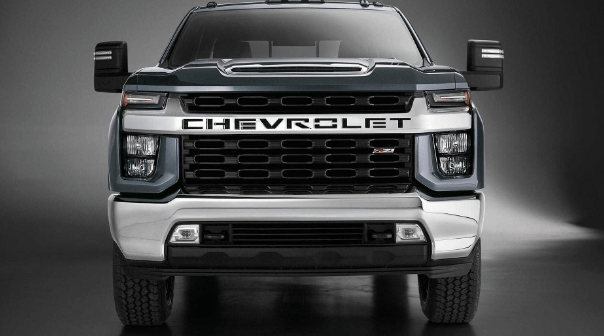
2026 Chevy Cheyenne Ss
The automotive world is frequently stirred by rumors and speculation, and few names generate as much excitement among truck enthusiasts as the potential revival of the Cheyenne nameplate, especially when paired with the legendary \”SS\” (Super Sport) badge.
The concept of a 2026 Chevrolet Cheyenne SS represents more than just a new model; it signifies the potential return of the street-focused performance truck, a niche that has been largely overshadowed by off-road-oriented models in recent years.
This vehicle would theoretically merge the historic prestige of two celebrated Chevrolet monikers into a single, modern machine.
Such a creation would be engineered not for rock crawling or desert racing, but for commanding presence and exhilarating performance on asphalt.
At the heart of any vehicle bearing the SS badge is its powertrain, and a hypothetical 2026 Cheyenne SS would be expected to feature a formidable engine.
Industry analysts speculate that the most probable candidate would be a high-output V8, possibly a supercharged 6.2-liter engine akin to the LT4 found in other high-performance General Motors products.
This would provide the immense horsepower and torque necessary to deliver breathtaking acceleration, positioning it as a true muscle truck.
Alternatively, Chevrolet could explore advanced options such as a high-performance hybrid system or a twin-turbocharged V6 to balance immense power with modern efficiency standards, though the traditional V8 remains the enthusiast\’s choice for an SS model.
The exterior design would need to be both aggressive and purposeful, clearly distinguishing the Cheyenne SS from its more conventional Silverado siblings.
Youtube Video:
This would likely involve a lower, more athletic stance, a unique front fascia with a specialized grille, and larger air intakes for improved engine cooling.
Aerodynamic enhancements, such as a front air dam, side skirts, and a subtle rear spoiler integrated into the tailgate, would be crucial for high-speed stability.
Large-diameter, lightweight alloy wheels wrapped in performance-oriented street tires would complete the look, signaling its primary mission as a pavement-domination machine rather than an all-terrain vehicle.
Inside, the cabin of a Cheyenne SS would be a driver-focused environment blending sportiness with premium comfort.
Expect heavily bolstered sport seats, possibly with leather and Alcantara upholstery, designed to hold occupants securely during spirited driving.
A flat-bottomed steering wheel, unique SS-branded instrumentation, and carbon fiber or brushed aluminum trim would further enhance the performance-oriented atmosphere.
Technologically, it would feature Chevrolet\’s latest infotainment system with a large touchscreen, a premium sound system, and a comprehensive suite of advanced driver-assistance systems, ensuring that cutting-edge technology complements its raw power.
True to the Super Sport heritage, the vehicle\’s performance would be defined by more than just straight-line speed. The chassis and suspension would undergo extensive modifications to provide superior on-road handling and responsiveness.
This would include a sport-tuned suspension with adaptive dampers, stiffer springs, and thicker anti-roll bars to minimize body roll during cornering.
A high-performance braking system, likely featuring large, multi-piston calipers and vented rotors, would be essential for providing confident and repeatable stopping power from high speeds, a critical component for any vehicle with such a powerful engine.
In the current market, a 2026 Cheyenne SS would carve out a distinct niche.
While competitors like the Ford F-150 Raptor and Ram 1500 TRX dominate the off-road performance space, a street-focused truck from Chevrolet would appeal to a different kind of enthusiast.
It would be for the buyer who appreciates the utility of a pickup bed but desires the driving dynamics and acceleration of a muscle car.
This vehicle would not be a direct competitor to off-road behemoths but would instead resurrect a segment once populated by icons like the GMC Syclone and the Chevrolet 454 SS, offering a unique proposition in the modern automotive landscape.
The legacy of the \”SS\” badge is a cornerstone of Chevrolet\’s performance history, representing the pinnacle of factory-produced power and handling for decades.
Applying this designation to a truck is a significant statement, promising a level of engineering and performance that goes far beyond a simple appearance package.
It invokes a heritage of legendary vehicles like the Chevelle SS, Camaro SS, and Impala SS, setting a high bar for expectations.
A Cheyenne SS would need to honor this legacy by delivering a driving experience that is genuinely thrilling and worthy of the two letters that have defined Chevrolet performance for generations.
Similarly, the \”Cheyenne\” name itself carries significant weight. Originally a top-tier trim level for Chevrolet C/K trucks in the 1970s, it became synonymous with quality and style.
The name was later revived for a futuristic and widely acclaimed concept truck in 2003, which showcased innovative design and functionality.
Bringing back the Cheyenne name, especially for a flagship performance model, would tap into a deep well of nostalgia and brand recognition.
This strategic use of heritage would help build anticipation and create a powerful narrative for the vehicle before it ever reaches a showroom floor.
Key Considerations for the Hypothetical Model
- Performance as the Core Identity: The primary focus of a Cheyenne SS would unequivocally be on-road performance, prioritizing acceleration, handling, and braking over off-road prowess or maximum towing capacity. The engineering philosophy would mirror that of a sports sedan rather than a traditional work truck, with every component from the engine to the tires selected to enhance the driving experience on pavement. This clear distinction is what would define its character and set it apart in a crowded truck market. Consequently, potential buyers would be those seeking a unique blend of utility and track-inspired dynamics.
- Aesthetic and Aerodynamic Design: The vehicle\’s visual identity would be crucial in communicating its performance intent. A Cheyenne SS would feature a design that is both aggressive and functional, with aerodynamic elements designed to manage airflow at high speeds. This includes a lower ride height to reduce the center of gravity, a sculpted front end to minimize drag, and carefully placed vents for cooling the brakes and engine. The overall look would be muscular and sleek, moving away from the rugged, high-clearance appearance of off-road trucks and toward a more refined, street-oriented presence.
- Advanced Technology Integration: To be competitive in 2026, the truck would require a suite of advanced technologies beyond its powertrain. This includes a sophisticated adaptive suspension system that can adjust damping rates in real-time, performance-oriented drive modes that alter throttle response and transmission behavior, and a state-of-the-art infotainment system with performance metrics displays. Furthermore, a full complement of driver-assistance features would be expected, blending raw power with modern safety and convenience to create a well-rounded, technologically advanced vehicle.
- Market Niche and Competition: The Cheyenne SS would enter the market not as a direct challenger to existing off-road kings but as a re-creator of the \”muscle truck\” segment. Its primary competition would not be measured in suspension travel but in 0-60 mph times and lateral G-forces. It would appeal to a discerning buyer who may have previously considered a performance sedan or coupe but requires the practicality of a truck bed. This strategic positioning would allow Chevrolet to capture a segment of the market that is currently underserved by all major manufacturers.
- Brand Heritage and Nostalgia: The combined power of the \”Cheyenne\” and \”SS\” names is a significant marketing asset that leverages decades of brand history. The Cheyenne name evokes a sense of premium quality from Chevrolet\’s past, while the SS badge is an undeniable symbol of high performance. By merging these two historic names, Chevrolet could create a powerful emotional connection with longtime brand loyalists and new customers alike. This appeal to nostalgia, backed by modern performance and technology, would be a key driver of the vehicle\’s desirability and potential for becoming a future classic.
Aspects to Monitor for Future Developments
- Follow Official Manufacturer Announcements
While industry rumors and speculative articles provide exciting possibilities, the most reliable information will always come directly from the manufacturer.
It is advisable to monitor official press releases from General Motors and Chevrolet, as well as their official social media channels and automotive news events like the North American International Auto Show.
These platforms are where any confirmation of the model, its specifications, and its production timeline would first be announced.
Until then, all discussions about the vehicle remain in the realm of informed speculation based on market trends and brand history.
- Analyze Powertrain Trends and Regulations
The choice of powertrain will be a defining characteristic of this potential vehicle, and it will be heavily influenced by prevailing industry trends and emissions regulations.
Observers should pay close attention to GM\’s V8 engine development, as well as its advancements in performance-oriented hybrid and all-electric technologies.
The regulatory landscape in the years leading up to 2026 will play a crucial role in determining the feasibility of a large-displacement, supercharged engine.
A shift towards electrification could even lead to a radically different, yet equally potent, interpretation of an SS performance truck.
- Consider the Practicality-to-Performance Ratio
Potential buyers should thoughtfully consider the inherent trade-offs of a high-performance street truck. A sport-tuned suspension, while excellent for handling, will likely result in a firmer ride than a standard pickup.
Low-profile performance tires will offer less sidewall protection and may be more susceptible to damage from road imperfections.
While it would still offer the utility of a pickup bed, its primary design focus on performance might slightly compromise factors like maximum payload or towing capacity compared to a dedicated heavy-duty model, making it a lifestyle-oriented choice.
- Evaluate Potential as a Collector\’s Item
A vehicle as specialized as a Cheyenne SS, particularly if produced in limited numbers with a high-output V8 engine, has strong potential to become a future collector\’s item.
The unique combination of two historic names and its position as a potential last-of-its-kind muscle truck in an era of electrification could enhance its long-term value.
Enthusiasts and collectors should watch for any announcements regarding production volume or special launch editions, as these factors often contribute significantly to a vehicle\’s collectibility and depreciation curve over time.
The modern performance truck segment has largely been defined by off-road capability, a trend solidified by the success of models designed for high-speed desert running and rugged trail navigation.
These vehicles feature long-travel suspension, all-terrain tires, and protective skid plates, prioritizing go-anywhere ability.
The emergence of a street-focused model like the Cheyenne SS would represent a significant pivot, reintroducing a performance philosophy centered on speed and agility on paved surfaces.
This would diversify the market, offering a compelling alternative for enthusiasts whose adventures take place on winding roads and drag strips rather than dirt trails.
As the automotive industry moves towards electrification, the concept of a performance vehicle is rapidly evolving.
A 2026 model year places the Cheyenne SS directly at this crossroads, raising the question of whether it could incorporate an electric or hybrid powertrain.
A performance hybrid system could use electric motors to provide instant torque for blistering acceleration while improving overall efficiency.
An all-electric SS truck, leveraging GM\’s Ultium platform, could offer staggering performance figures that surpass even traditional V8s, though it would present a different character and driving experience for traditionalists accustomed to the sound and feel of internal combustion.
To achieve the handling characteristics of a sports car in a large truck chassis, engineers would rely heavily on advancements in materials science.
Extensive use of high-strength steel, aluminum, and even carbon fiber composites would be necessary to reduce weight and increase structural rigidity. Lowering the vehicle\’s overall mass is critical for improving acceleration, braking, and cornering agility.
These advanced materials, once reserved for supercars, are becoming more common in performance-oriented production vehicles and would be essential in allowing a Cheyenne SS to defy the typical handling limitations of a pickup truck.
The engineering challenge of transforming a body-on-frame truck into a sharp-handling machine is immense. It requires a holistic approach that goes beyond simply adding power.
Sophisticated suspension geometry, possibly incorporating a multi-link rear setup instead of traditional leaf springs, would be fundamental.
Furthermore, advanced electronic systems such as torque vectoring and an active rear differential would be employed to manage power distribution and help the truck rotate through corners with precision.
Calibrating these systems to work in harmony is the key to creating a vehicle that feels both powerful and composed.
The connection between a performance vehicle and the road is its tires, and for a Cheyenne SS, this component would be critical.
The choice would be a specialized summer or all-season performance tire with a soft rubber compound and a tread pattern designed for maximum grip on dry and wet pavement.
These tires would be mounted on large-diameter, lightweight wheels to reduce unsprung weight, which directly improves how the suspension responds to road surfaces.
The entire wheel-and-tire package would be a clear indicator of the vehicle\’s on-road mission, differing starkly from the knobby, thick-sidewalled tires found on off-road trucks.
For many enthusiasts, the auditory experience of a performance vehicle is as important as its physical acceleration.
If equipped with a V8, the Cheyenne SS would require a carefully engineered exhaust system to produce a sound worthy of the SS badge.
This system would likely feature active valves, allowing it to be subdued during quiet cruising but open up to an aggressive, resonant roar under hard acceleration.
Sound engineers would spend considerable time tuning the exhaust note to be distinctive and exhilarating, providing the emotional soundtrack that is an integral part of the muscle vehicle tradition.
A modern Cheyenne SS would draw inspiration from a lineage of past General Motors performance trucks.
The 1990-1993 Chevrolet 454 SS, with its big-block V8, and the legendary 1991 GMC Syclone, a turbocharged V6-powered truck that could out-accelerate Ferraris of its era, established the blueprint for the factory-built muscle truck.
A new model would aim to capture the spirit of these icons while elevating performance, technology, and refinement to contemporary standards.
It would serve as a spiritual successor, reinterpreting their rebellious, high-performance ethos for a new generation of drivers.
While performance trucks are predominantly a North American phenomenon, a highly capable and well-engineered vehicle like the Cheyenne SS could find a niche in global markets.
In regions like the Middle East and Australia, there is a strong appetite for powerful V8 vehicles and utility trucks.
A successful launch could see it become a halo vehicle for the Chevrolet brand internationally, showcasing the pinnacle of GM\’s engineering capabilities in a unique and compelling package.
Its success would depend on its ability to blend its American muscle identity with the refinement and technology expected by a global audience.
The single greatest variable impacting the future of a V8-powered Cheyenne SS is the ever-tightening landscape of global emissions regulations.
By 2026, corporate average fuel economy (CAFE) standards and CO2 emissions targets will be even more stringent. This reality forces manufacturers to make difficult decisions about high-displacement engines.
While technologies like cylinder deactivation and advanced engine management can help, the long-term viability of traditional V8s in mainstream vehicles remains uncertain, which could push the project towards a more efficient, alternative powertrain solution out of necessity.
Frequently Asked Questions
John asks: \”Is the 2026 Chevy Cheyenne SS actually confirmed for production, or is this just a rumor?\”
Professional\’s Answer: \”Hello, John. That\’s an excellent question. As of now, the 2026 Chevrolet Cheyenne SS has not been officially confirmed for production by General Motors.
The discussion around this model is based on industry speculation, enthusiast desire, and analysis of market trends.
While the idea is compelling and aligns with Chevrolet\’s performance heritage, it remains a hypothetical concept until the manufacturer makes an official announcement.\”
Top SUVs New 2024:
 2026 Chevy Cheyenne Release Date