
A specific future model year of a particular unibody light-duty truck serves as a designation for an anticipated iteration of the vehicle.
This terminology allows manufacturers, consumers, and automotive journalists to discuss and speculate on the features, design, and performance of a vehicle that has not yet been officially released.
For instance, discussions might revolve around the \”2025 Ford Ranger\” or the \”2027 Chevrolet Colorado,\” each representing a forward-looking version of an established nameplate.
This practice is essential for tracking the evolution of automotive technology, styling trends, and powertrain advancements within a highly competitive market, providing a clear reference point for future product expectations and comparisons.
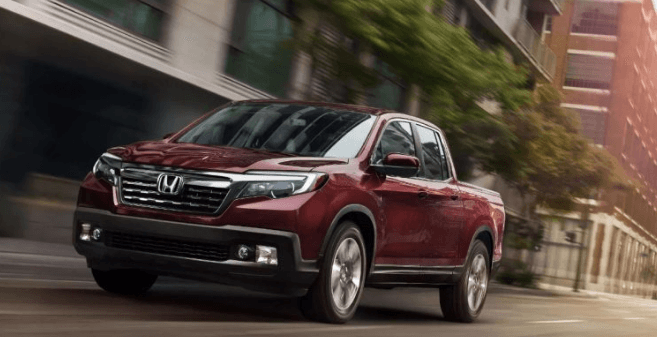
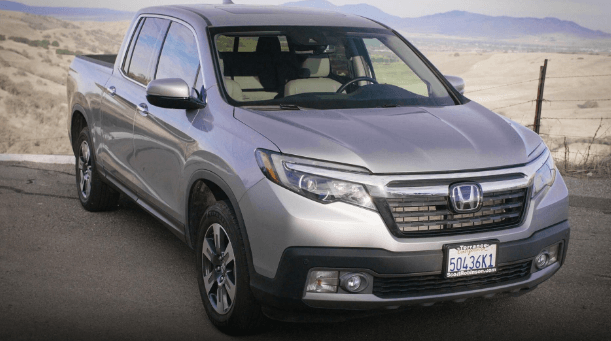
2026 Honda Ridgeline Pickup Truck
The automotive industry is abuzz with anticipation for future models, and among them, the forthcoming iteration of Honda\’s unique pickup truck is a significant point of discussion.
Expected to mark either a full redesign or a substantial mid-cycle refresh, this model represents a critical step for a vehicle that has carved out a distinct niche in the competitive mid-size truck segment.
Its unibody construction sets it apart from traditional body-on-frame rivals, offering a driving experience more akin to a crossover SUV.
Therefore, expectations are high for enhancements that will build upon its established strengths while addressing areas for potential improvement to broaden its market appeal.
One of the most anticipated areas of evolution is the powertrain.
While the current J-series V6 engine is lauded for its smoothness and reliability, the industry-wide shift towards electrification suggests a strong possibility of a hybrid option.
A hybrid Ridgeline could offer significant gains in fuel efficiency and low-end torque, making it even more appealing for daily commuting and light-duty towing.
This move would align with Honda\’s broader electrification strategy and provide a compelling counterpoint to the growing number of hybrid and electric options emerging from competitor brands, enhancing its modern and practical image.
Aesthetic updates are also widely expected for the 2026 model year. The Ridgeline has often faced criticism for a design that some feel is not aggressive enough for the pickup truck market.
A comprehensive exterior redesign could introduce a bolder front fascia, a more sculpted hood, and advanced LED lighting elements to create a more assertive and truck-like presence.
Such changes would aim to attract buyers who appreciate the Ridgeline\’s comfort and utility but desire a more traditional pickup appearance, helping to bridge the visual gap between it and its body-on-frame competitors.
Youtube Video:
Inside the cabin, the vehicle is projected to receive a significant technological overhaul in line with the latest offerings from the manufacturer.
This would likely include a larger, more responsive central infotainment touchscreen with wireless Apple CarPlay and Android Auto integration.
Furthermore, a fully digital instrument cluster could replace the current analog gauges, offering greater customization and a more modern feel.
The integration of the latest Honda Sensing suite of safety and driver-assistive technologies will be standard, featuring more advanced capabilities for enhanced occupant protection and driving convenience.
The foundational unibody platform, a hallmark of the vehicle, will undoubtedly be retained and refined.
This architecture is the key to its superior on-road comfort, precise handling, and quiet cabin, which are significant advantages over traditional trucks.
For the 2026 model, engineers will likely focus on further optimizing the chassis and four-wheel independent suspension system.
The goal would be to enhance ride quality even further while potentially improving its light off-road capabilities and payload management, ensuring it remains the benchmark for comfort in its class.
Signature utility features, such as the lockable In-Bed Trunk and the dual-action tailgate, are central to the Ridgeline\’s identity and practicality.
It is almost certain that these beloved elements will carry over to the new model, possibly with meaningful upgrades.
Enhancements could include an integrated 120V AC power outlet within the trunk or bed, improved weather sealing for the trunk, or a more advanced cargo management system with configurable dividers and tie-downs.
These refinements would build upon the truck\’s reputation as one of the most versatile and intelligently designed vehicles for everyday use and recreational activities.
The trim level structure may also see a strategic revision to better cater to diverse customer preferences.
The continued evolution of the Trailsport trim is a key point of speculation, with the potential for more substantive off-road hardware, such as all-terrain tires, increased ground clearance, and underbody skid plates.
Conversely, a new top-tier trim level focused on luxury could be introduced, featuring premium materials like perforated leather, open-pore wood trim, and an upgraded audio system to compete with the high-end offerings from rival brands.
This diversification would allow the Ridgeline to appeal to a wider spectrum of the market.
While not designed for heavy-duty work, the Ridgeline\’s towing and hauling capacities are more than sufficient for the needs of its target audience.
The 2026 model is expected to maintain or slightly improve upon its current ratings. Any enhancements would likely stem from powertrain refinements, cooling system upgrades, and structural reinforcements within the unibody frame.
The objective would be to ensure its 5,000-pound towing capacity remains competitive and reliable, providing owners with the confidence to tow small boats, campers, or utility trailers without compromising the vehicle\’s inherent stability and comfort.
In the evolving mid-size truck market, the 2026 Honda Ridgeline will need to position itself carefully.
It will face competition not only from traditional body-on-frame trucks like the Toyota Tacoma and Ford Ranger but also from other unibody pickups like the Ford Maverick and Hyundai Santa Cruz.
Its primary selling proposition will continue to be its unique blend of SUV-like refinement and pickup truck utility.
By enhancing its design, technology, and potentially its efficiency with a hybrid powertrain, the new model will aim to solidify its status as the ideal choice for buyers who prioritize daily comfort and clever features over raw, heavy-duty capability.
As for its market debut, industry patterns suggest that an official announcement for the 2026 model would likely occur in the latter half of 2025, with vehicles arriving at dealerships in early 2026.
Pricing is expected to see a modest increase over the current generation, reflecting the anticipated advancements in technology, design, and potential new powertrain options.
This price adjustment would be consistent with industry trends for next-generation vehicles, positioning the updated Ridgeline as a premium and modern offering within its competitive set.
Key Anticipated Developments
- Introduction of a Hybrid Powertrain.
The most significant mechanical update anticipated for the 2026 Ridgeline is the addition of a hybrid powertrain.
This move would be a logical progression for Honda, leveraging its proven hybrid technology to address the growing consumer demand for fuel efficiency.
A hybrid system would not only reduce emissions and fuel consumption but also provide instant electric torque, which could improve acceleration and light-duty towing performance.
This development would make the Ridgeline a more compelling option for environmentally conscious buyers and those looking to lower their long-term ownership costs.
- A More Assertive and Modern Exterior Design.
A complete visual overhaul is expected to give the truck a more traditional and rugged appearance.
Automotive designers will likely focus on creating a stronger, more upright front grille, muscular fender flares, and sophisticated lighting signatures.
This redesign would be a direct response to market feedback and an effort to attract buyers who may have been deterred by the current model\’s softer, more crossover-like styling.
A more assertive aesthetic would help the Ridgeline command a stronger presence on the road and better align visually with its capable and versatile nature.
- Next-Generation Cabin Technology and Connectivity.
The interior is poised for a major technological leap forward, bringing it in line with the latest vehicles in Honda\’s lineup.
This includes a larger, faster, and more intuitive central infotainment system, likely paired with a fully digital and customizable driver display.
Enhanced connectivity options, such as wireless charging and multi-device Bluetooth pairing, will cater to the needs of modern drivers and families.
The updated cabin will focus on creating a seamless and user-friendly experience, combining high-tech features with the practical and comfortable layout the Ridgeline is known for.
- Enhancements to Signature Utility Features.
The Ridgeline\’s innovative utility features are a core part of its appeal, and the 2026 model is expected to improve upon them.
The In-Bed Trunk could gain new functionalities, such as better lighting or a power source, making it even more useful for tailgating or as a secure storage space.
The dual-action tailgate might be refined for easier operation, and the composite bed could feature a more versatile cargo management system.
These thoughtful improvements will reinforce the Ridgeline\’s position as the most practical and cleverly engineered truck for everyday life and recreational pursuits.
- A More Capable Trailsport Trim Level.
To capitalize on the growing popularity of off-road-oriented vehicles, Honda is expected to make the Trailsport trim more than just an appearance package.
The 2026 Trailsport could feature functional upgrades like a factory-installed suspension lift, more aggressive all-terrain tires, robust steel skid plates, and a specially tuned all-wheel-drive system.
While it would not transform the Ridgeline into an extreme rock crawler, these enhancements would significantly improve its capability on trails and in adverse weather conditions.
This would provide a more compelling option for adventure-oriented buyers who still want the Ridgeline\’s on-road comfort.
Considerations for Prospective Buyers
- Monitor Official Honda News Channels.
For the most accurate and up-to-date information regarding the 2026 Honda Ridgeline, prospective buyers should regularly check official sources. This includes Honda\’s corporate newsroom website, official social media accounts, and communications from local dealerships.
Relying on official announcements will help separate confirmed facts from industry speculation and rumors. Subscribing to manufacturer newsletters can also provide early access to reveals, specifications, and pre-order information as it becomes available.
- Evaluate the Current-Generation Model.
The impending arrival of a new model often creates excellent purchasing opportunities for the outgoing version. Dealerships may offer significant incentives and discounts on the current-generation Ridgeline to clear inventory.
Since the existing model is already a highly capable and well-regarded truck, it represents a fantastic value for buyers who do not require the absolute latest technology or design.
Assessing the features and performance of the current truck can provide a strong baseline for comparison and may prove to be the smarter financial choice.
- Assess Personal Utility and Driving Needs.
It is crucial for potential buyers to realistically evaluate how they intend to use their truck.
The Ridgeline excels as a comfortable daily driver, a family vehicle, and a hauler for recreational gear, home improvement supplies, and light-duty trailers.
Buyers who prioritize a smooth, quiet ride and clever storage solutions will find it to be an ideal fit.
However, those who require heavy-duty towing, extreme off-road capability, or a long cargo bed should consider traditional body-on-frame alternatives that are better suited for those tasks.
- Research and Test Drive Competing Vehicles.
The mid-size truck segment is more diverse and competitive than ever before.
Before making a final decision, it is wise to research and test drive key competitors, including the Toyota Tacoma, Ford Ranger, and Chevrolet Colorado.
It is also beneficial to explore other unibody options like the Ford Maverick and Hyundai Santa Cruz to understand the full spectrum of available features, performance, and comfort.
This comprehensive approach ensures an informed decision and helps confirm that the Ridgeline\’s unique attributes are the best match for one\’s lifestyle.
Broader Context and Market Dynamics
The unibody construction of the Honda Ridgeline remains its most defining characteristic and a significant competitive advantage for a specific type of consumer.
Unlike body-on-frame trucks that have a separate frame and body, the Ridgeline\’s chassis and body are a single, integrated structure.
This design, common in cars and crossover SUVs, results in a more rigid platform, which translates directly to superior handling dynamics, a more comfortable ride, and a quieter cabin.
For the 2026 model, further refinements in materials and engineering will likely enhance these benefits, solidifying its appeal to buyers who spend most of their time on paved roads.
The evolution of the Trailsport trim across Honda\’s lineup provides a clear roadmap for the 2026 Ridgeline.
Initially an appearance package, Honda has been steadily adding more functional, off-road-oriented hardware to Trailsport models like the Pilot and Passport.
This trend suggests the next-generation Ridgeline Trailsport will be the most capable version yet, equipped with specialized suspension, all-terrain tires, and enhanced AWD logic.
This move is a strategic effort to capture a piece of the lucrative overland and light off-roading market, demonstrating that a unibody truck can offer both comfort and adventure-ready credentials.
Electrification is rapidly reshaping the entire pickup truck segment, and the 2026 Ridgeline\’s potential hybrid powertrain is part of this larger industry shift.
Competitors are already offering hybrid options, like in the Ford Maverick and Toyota Tundra, with fully electric models like the Ford F-150 Lightning and Rivian R1T gaining traction.
By introducing a hybrid Ridgeline, Honda would not only improve its corporate average fuel economy but also provide a practical, efficient solution for truck buyers not yet ready to commit to a fully electric vehicle, keeping the nameplate relevant and competitive for the future.
In-cabin technology has become a primary battleground for automakers, and pickup trucks are no exception.
The expectation for the 2026 Ridgeline to feature a fully digital cockpit reflects a market where screens, software, and connectivity are major selling points.
Consumers now expect seamless smartphone integration, intuitive user interfaces, and over-the-air update capabilities in all their vehicles.
A technologically advanced interior is no longer a luxury but a necessity for remaining competitive, and it will be a key factor in attracting modern buyers to the new Ridgeline.
Safety remains a core tenet of the Honda brand, and the next-generation Honda Sensing suite of technologies will be a cornerstone of the 2026 Ridgeline.
This advanced system will likely include more sophisticated sensors, improved camera and radar units, and more refined software algorithms.
This could lead to features like more natural-feeling adaptive cruise control, lane-keeping assist that works more smoothly, and enhanced pedestrian and cyclist detection.
These advancements underscore the Ridgelines role not just as a utility vehicle but also as a safe and secure mode of transportation for families.
The Ridgeline effectively pioneered the modern crossover-truck niche, blending the best attributes of two vehicle categories.
Its continued success, along with the popularity of newer entries like the Ford Maverick, validates the existence of a substantial market for vehicles that offer open-bed utility without the ride and handling compromises of traditional trucks.
The 2026 model will aim to reinforce its leadership in this space by further refining the formula of comfort, practicality, and efficiency, proving that this innovative vehicle concept has enduring appeal.
Honda\’s well-earned reputation for reliability and high resale value is a powerful purchasing incentive for many consumers.
This legacy is expected to continue with the 2026 Ridgeline, providing owners with peace of mind and a lower total cost of ownership over the vehicle\’s lifespan.
The use of proven components, combined with Honda\’s meticulous manufacturing standards, ensures that the truck will be a dependable partner for years to come.
This strong value proposition is a key differentiator in a crowded market and a significant reason why many buyers remain loyal to the brand.
The manufacturing efficiency gained from platform sharing is a critical aspect of the Ridgeline\’s existence.
By sharing its underlying architecture with other successful Honda models like the Pilot and Passport, the company can reduce development costs and streamline production.
This strategy allows Honda to offer the Ridgeline at a competitive price point despite its relatively lower sales volume compared to body-on-frame competitors.
For the 2026 model, this shared platform will ensure it benefits from the latest structural, safety, and technological advancements developed for Honda\’s entire light-truck lineup.
Looking ahead, the future of the mid-size pickup segment will be defined by versatility, technology, and efficiency.
The \”one-size-fits-all\” approach is fading as automakers develop a wider range of trucks to meet specific needs, from urban-friendly compacts to rugged off-roaders.
The 2026 Honda Ridgeline is perfectly positioned within this trend, offering a specialized solution for those who want a truck that drives like a premium SUV.
Its evolution will reflect the broader market\’s move toward more sophisticated, comfortable, and intelligent vehicles that can seamlessly transition from weekday commutes to weekend adventures.
Frequently Asked Questions
John asks: \”With the trend towards more powerful trucks, is there any chance the 2026 Ridgeline will get a turbocharged V6 or a more powerful engine option?\”
Professional\’s Answer: \”That\’s an excellent question, John. While nothing is confirmed, industry analysis suggests that Honda is more likely to pursue efficiency and refined power delivery rather than outright maximum horsepower.
The most probable development is the introduction of a hybrid powertrain, similar to the one used in the Accord and CR-V but adapted for a larger vehicle.
This would provide a boost in torque and fuel economy, which aligns better with the Ridgeline\’s practical, everyday-use philosophy than a high-performance turbocharged engine would.\”
Top SUVs New 2024:
 What We Know About 2026 Honda Ridgeline Hybrid
  2026 Honda Ridgeline Specs and Release Date