
The main point of this article is a specific, future version of an established automotive model, which functions as a proper noun phrase in grammar.
This type of phrase acts as a singular unit to name a particular entity, in this case, a vehicle designated by its brand, model, and a prospective year of release.
Such terms are pivotal in automotive journalism and consumer interest, as they signify an anticipated evolution or reintroduction of a product line.
They encapsulate expectations of new technology, design, performance, and features, becoming a focal point for discussion, speculation, and market analysis long before the official reveal.
For example, terms like the \”Forthcoming 2025 Ford Explorer\” or the \”Anticipated 2027 Toyota Camry\” serve a similar function.
These phrases do not just describe a generic car; they point to a distinct, forthcoming product with its own set of rumored specifications and market positioning.
This specificity allows for detailed discourse about its potential impact on the industry, its competition, and its appeal to consumers.
The combination of an adjective (\”New\”), a year (\”2026\”), and a proper name (\”Dodge Grand Caravan\”) creates a unique identifier that is the central subject of analysis and information.
New 2026 Dodge Grand Caravan
The potential reintroduction of a renowned family minivan for the 2026 model year represents a significant development in the automotive landscape. For decades, this nameplate was synonymous with family transportation, pioneering features that defined the segment.
A modern iteration would enter a market transformed by the dominance of SUVs but still served by a core group of highly advanced competitors.
Therefore, its return is not merely an act of nostalgia but a strategic move anticipated to blend a storied legacy with the cutting-edge technology and design philosophy of its parent company, Stellantis.
Youtube Video:
The vehicle is expected to be a ground-up redesign, moving far beyond its previous iterations to challenge established leaders directly.
Speculation surrounding the powertrain points heavily towards electrification, aligning with broader industry trends and Stellantis\’s strategic direction.
The most likely scenario involves a standard hybrid system, similar to what is found in key competitors, to deliver a compelling balance of power and fuel efficiency.
Furthermore, a plug-in hybrid (PHEV) variant is a strong possibility, leveraging the successful technology from stablemates like the Chrysler Pacifica Hybrid.
This would offer a significant all-electric driving range, catering to families looking to minimize fuel consumption for daily errands and school runs, while retaining the flexibility of a gasoline engine for long-distance travel.
From a design perspective, the anticipated 2026 model is expected to shed the softer lines of its predecessors in favor of a more assertive and athletic aesthetic.
Drawing inspiration from Dodge\’s current design language, seen on models like the Hornet and the next-generation Charger, the minivan could feature a bold front fascia, a sculpted body, and aggressive lighting signatures.
This approach would aim to inject a dose of the brand\’s muscle-car DNA into the family-hauler segment, appealing to buyers who desire practicality without sacrificing style.
The goal would be to create a vehicle that looks dynamic and modern, setting it apart visually from the more traditional designs of its rivals.
Inside the cabin, a complete technological overhaul is expected, centered around the latest Uconnect infotainment system.
This would likely manifest as a large, responsive central touchscreen, complemented by a fully digital instrument cluster, offering extensive customization and connectivity options.
Integration of wireless Apple CarPlay, Android Auto, and a suite of connected services would be standard, providing seamless access to navigation, media, and vehicle settings.
The focus will be on creating an intuitive and user-friendly environment that reduces driver distraction while keeping all passengers entertained and connected on the go.
Functionality and versatility, long the hallmarks of this nameplate, would be reimagined for the modern family.
The celebrated Stow \’n Go seating system is anticipated to return in an evolved form, potentially offering easier operation, enhanced comfort, and even new configurations to maximize both passenger and cargo space.
Beyond seating, designers will likely focus on clever storage solutions, with an abundance of cubbies, charging ports for all rows, and an advanced rear-seat entertainment system.
These features are crucial for succeeding in a segment where practicality and family-friendly convenience are paramount considerations for buyers.
Safety will undoubtedly be a top priority, with the new model expected to be built on a modern platform engineered for superior crash protection.
It would be equipped with a comprehensive suite of advanced driver-assistance systems (ADAS). This would include standard features like automatic emergency braking with pedestrian detection, blind-spot monitoring, and lane-keeping assist.
Higher trim levels could offer more advanced capabilities, such as a Level 2 semi-autonomous driving system for highway assistance, further enhancing safety and reducing driver fatigue on long journeys.
The vehicle\’s foundation would likely be one of Stellantiss new global platforms, such as the STLA Large architecture.
This advanced platform is designed to accommodate various powertrain types, including hybrid and all-electric, providing the flexibility needed for future-proofing the model.
Utilizing such a modern architecture would also yield significant benefits in terms of ride quality, handling dynamics, and interior quietness.
The result would be a minivan that is not only safe and efficient but also comfortable and enjoyable to drive, challenging the outdated notion that family vehicles must be uninspiring.
In terms of market positioning, the 2026 Dodge Grand Caravan would need to carve out a distinct identity within the Stellantis portfolio, differentiating itself from the Chrysler Pacifica.
It is plausible that Dodge would position its offering as the more performance-oriented or stylistically aggressive option, appealing to a slightly different demographic.
This strategy would allow the two brands to cover a wider swath of the market without directly cannibalizing each other\’s sales, similar to how different brands within the same automotive group often target unique consumer profiles with platform-sharing vehicles.
It is important to distinguish this hypothetical new model from the vehicle currently sold under the same name in Canada.
The Canadian-market Grand Caravan is essentially a rebadged, de-contented version of the previous-generation Chrysler Voyager, serving as a budget-friendly option.
The prospective 2026 model discussed here represents a complete, next-generation reimagining intended for a broader market, including a potential return to the United States.
This new vehicle would compete at a much higher level, incorporating the latest advancements in technology, safety, and powertrain engineering from its parent company.
Ultimately, the arrival of a new-generation Grand Caravan would signal a renewed commitment to the minivan segment by a brand that once defined it.
By combining a legacy of practicality with modern performance, aggressive styling, and advanced hybrid technology, the vehicle could resonate strongly with a new generation of families.
Its success will depend on its ability to deliver a compelling package that not only meets but exceeds the high expectations set by its formidable competitors.
For now, it remains one of the most anticipated potential returns in the automotive world.
Key Considerations for the Upcoming Model
- Hybrid Powertrain as a Standard Feature.
The move towards electrification is non-negotiable in the current automotive climate, and the minivan segment is no exception.
It is highly probable that the 2026 model will feature a hybrid system as its base powertrain, eliminating a gasoline-only option to maximize fuel economy.
This strategy would immediately position it competitively against rivals that have already embraced hybridization.
A plug-in hybrid (PHEV) variant would serve as the premium option, offering substantial all-electric range for daily use and appealing to environmentally conscious consumers seeking to reduce their carbon footprint without compromising on utility.
- Foundation on a Modern STLA Platform.
Basing the new minivan on one of Stellantis\’s state-of-the-art STLA (Stella) platforms is a critical step.
This architecture is designed from the ground up to be flexible, supporting front-wheel drive, all-wheel drive, and various levels of electrification. More importantly, it promises significant improvements in structural rigidity, safety, and driving dynamics.
For the consumer, this translates to a quieter, more comfortable ride, more confident handling, and the peace of mind that comes with a chassis engineered to meet the most stringent modern safety standards.
- Aggressive, Brand-Consistent Exterior Design.
To stand out, the vehicle must embody the Dodge brand\’s distinctive character. Expect a design that is muscular and assertive, moving away from the soft, rounded shapes often associated with minivans.
Features like a slim, full-width LED light bar, a sculpted hood, and a trapezoidal grille could create an imposing presence.
This design philosophy aims to appeal to buyers who need the space of a minivan but crave the style of an SUV, effectively bridging the gap between practicality and visual excitement.
- Next-Generation Uconnect Infotainment System.
The cabin experience will be dominated by advanced technology, led by the Uconnect 5 system or a newer iteration.
A large, high-resolution central touchscreen will serve as the command center for navigation, climate, and entertainment, offering crisp graphics and fast response times.
A customizable digital instrument panel will provide the driver with all necessary information in a clear, modern format. This focus on a high-tech, user-friendly interface is essential for meeting the expectations of today\’s tech-savvy families.
- Evolution of Stow \’n Go Seating.
The iconic Stow \’n Go seating, which allows the second- and third-row seats to fold flat into the floor, is a key brand differentiator that must be retained and improved.
The next generation of this system could feature power-folding capabilities for all seats, more comfortable seat designs, and potentially new configurations that offer even greater versatility.
For instance, options for removable second-row captain\’s chairs or a multi-function center seat could further enhance its utility, solidifying its reputation as the most practical seating solution on the market.
- Comprehensive Suite of Advanced Safety Features.
The 2026 model will be expected to achieve top safety ratings, which necessitates a full suite of standard active safety technologies.
This includes not just the basics like forward collision warning and lane departure warning, but also more advanced features like adaptive cruise control with stop-and-go, blind-spot intervention, and a 360-degree surround-view camera system.
The availability of a hands-free highway driving assist system would position it at the forefront of the segment in terms of safety and convenience.
- Availability of All-Wheel Drive (AWD).
To compete effectively in regions with inclement weather, offering an all-wheel-drive (AWD) option is crucial.
An advanced AWD system, particularly when paired with a hybrid powertrain, would provide enhanced traction and stability in rain, snow, and ice.
This feature broadens the vehicle\’s appeal significantly, making it a viable alternative to three-row SUVs for families who prioritize all-weather security.
The system would likely be an intelligent, on-demand type that engages the rear wheels only when necessary to optimize fuel efficiency.
- Premium Interior Materials and Craftsmanship.
There will be a strong focus on elevating the interior ambiance with high-quality materials and thoughtful design.
Expect soft-touch surfaces on the dashboard and door panels, available Nappa leather upholstery, and tasteful ambient lighting to create a more upscale environment.
Attention to detail in fit and finish, along with features like heated and ventilated front seats, a panoramic sunroof, and an premium audio system, will be key to competing with the increasingly luxurious offerings from rival brands.
- Strategic Differentiation from the Chrysler Pacifica.
While sharing a platform with its Chrysler counterpart is likely, Dodge will need to establish a unique identity for its minivan.
This will be achieved through distinct exterior and interior styling, different feature packaging, and a marketing strategy focused on performance and attitude.
Dodge may offer unique wheel designs, sport-tuned suspension on certain trims, and exclusive color palettes.
This ensures that customers see two clear choices within the Stellantis family: one focused on luxury and comfort (Chrysler) and the other on style and dynamic presence (Dodge).
- Competitive Pricing and Value Proposition.
Despite the upgrades in technology and design, the model must maintain a strong value proposition to honor its heritage as an accessible family vehicle.
Pricing will need to be carefully structured across various trim levels to compete with the established players.
By offering a robust set of standard features, class-leading practicality, and competitive fuel economy, the vehicle can present a compelling case for families looking for the most utility and technology for their money, ensuring it remains a popular choice in a competitive field.
Tips for Prospective Buyers and Enthusiasts
- Monitor Official Stellantis and Dodge Channels.
For the most accurate and up-to-date information, it is essential to follow official sources. Keep an eye on the official websites for Dodge and its parent company, Stellantis, as well as their social media profiles.
Automakers typically release information incrementally, starting with teasers and concept reveals before a full official announcement.
Subscribing to their newsletters or following major automotive news outlets is the best way to ensure you receive credible information and avoid speculation presented as fact.
- Evaluate Powertrain Options for Your Lifestyle.
When details emerge, carefully consider which powertrain aligns with your typical driving habits.
A standard hybrid would be an excellent all-around choice, providing significant fuel savings over a traditional gasoline engine for both city and highway driving.
However, if your daily routine involves shorter trips and you have access to home charging, a plug-in hybrid (PHEV) could be far more cost-effective.
The ability to complete most daily driving on electricity alone can drastically reduce fuel expenses, making the higher initial investment worthwhile over the long term.
- Compare Trim Levels and Feature Packages.
Automakers typically offer multiple trim levels to cater to different budgets and preferences. It is wise to analyze the features included in each trim, from the base model to the fully loaded version.
Sometimes, a mid-level trim offers the best balance of desirable features and affordability.
Create a list of must-have featuressuch as advanced safety systems, a specific infotainment screen size, or leather seatsand see which trim level provides them without forcing you to pay for extras you do not need.
- Consider the Long-Term Cost of Ownership.
Beyond the initial purchase price, consider the total cost of owning the vehicle over several years. This includes factors like fuel economy, insurance rates, expected maintenance costs, and potential resale value.
Hybrid and PHEV models often have lower fuel costs but may have different long-term maintenance considerations.
Researching the historical resale value of the brand\’s vehicles and comparing insurance quotes can provide a more complete financial picture, helping you make a more informed and sustainable decision.
Broader Context and Market Implications
The evolution of the minivan market has been a story of adaptation and resilience. Once the undisputed king of family transportation, the segment saw its dominance challenged by the rise of the three-row SUV.
However, instead of disappearing, the minivan has evolved, embracing luxury, advanced technology, and innovative powertrain solutions to maintain its relevance.
Modern minivans offer a level of practicality and interior space that even the largest SUVs struggle to match, with features like power-sliding doors and low floors providing unparalleled ease of access for families with young children or elderly passengers.
The potential entry of a redesigned icon like the Grand Caravan would inject new energy and competition into this specialized but fiercely contested market.
Stellantis\’s comprehensive electrification strategy provides the crucial backdrop for the development of any new vehicle, including a next-generation minivan.
The company is investing billions into its STLA platforms, battery technology, and software development with the goal of becoming a leader in sustainable mobility.
A 2026 Grand Caravan would be a direct product of this strategy, showcasing the company\’s ability to apply its advanced hybrid and electric technologies to a diverse range of vehicle types.
This move is not just about meeting emissions regulations; it is about future-proofing its product lineup and appealing to a growing consumer base that prioritizes efficiency and environmental responsibility.
The enduring importance of the family vehicle in the automotive industry cannot be overstated.
These vehicles are more than just transportation; they are mobile hubs for family life, tasked with everything from daily commutes to cross-country road trips. As such, they must excel in safety, comfort, versatility, and reliability.
The decision to potentially revive a storied name in this category reflects an understanding that while market trends may shift, the fundamental need for a spacious and practical family hauler remains constant.
Success in this segment builds significant brand loyalty that can extend across generations.
A persistent debate among consumers is the choice between a minivan and a three-row SUV.
While SUVs offer rugged styling and available off-road capability, minivans consistently win on interior volume, cargo flexibility, and ease of use.
The sliding doors of a minivan are a significant advantage in tight parking lots, and their lower ride height makes loading cargo and securing children in car seats much simpler.
A new Dodge Grand Caravan with an aggressive, SUV-inspired design would aim to blur these lines, offering the unbeatable practicality of a minivan with the visual appeal that has made SUVs so popular.
Technology has become a primary battleground in the modern family vehicle segment.
Infotainment systems are no longer just about audio; they are comprehensive connectivity suites that integrate smartphones, provide real-time navigation, and offer entertainment for all passengers.
Rear-seat entertainment screens, multiple USB-C ports, and in-cabin Wi-Fi are now expected features.
Furthermore, driver-assistance technologies are evolving rapidly, with systems that can manage steering, acceleration, and braking on highways, significantly reducing the stress of long-distance travel and enhancing overall safety for precious cargo.
Integrating a minivan into Dodge\’s evolving brand identity, which is increasingly focused on \”eMuscle\” and performance, presents a unique challenge and opportunity.
The brand can leverage this performance-oriented image by emphasizing the minivan\’s power, handling dynamics, and bold styling.
Marketing could focus on it being the \”muscle car of minivans,\” appealing to drivers who resent the bland image traditionally associated with family vehicles.
By offering a powerful hybrid powertrain and a sport-tuned suspension option, Dodge could successfully position its minivan as the most engaging and exciting choice in its class.
The legacy of the original Dodge Caravan, introduced in 1984, is foundational to the entire minivan concept.
It revolutionized family transportation in North America, offering a car-like driving experience with van-like space, and effectively created a new automotive segment.
A 2026 model would carry the weight of this history, and its design and features would need to pay homage to that legacy of innovation.
By once again pushing the boundaries of practicality, such as with an evolved seating system or novel interior features, the new model could honor its heritage while defining the future of the segment.
The adoption of global platforms like STLA by automakers yields substantial benefits for consumers.
These shared architectures allow for more efficient research and development, which means more investment can be directed toward features, technology, and quality control.
For a vehicle like the Grand Caravan, this means access to the latest safety systems, powertrain technologies, and infotainment features developed for a wide range of global products.
This strategy enables a higher level of sophistication and refinement than would be possible if the vehicle were developed on a standalone, region-specific platform.
Frequently Asked Questions
John asks: \”I live in an area with heavy snow in the winter. Will the new 2026 Dodge Grand Caravan be available with all-wheel drive?\”
Professional\’s Answer: That\’s an excellent and very practical question, John. While official specifications have not been released, industry expectations are very high that an all-wheel-drive (AWD) system will be available.
Given that key competitors like the Toyota Sienna and Chrysler Pacifica offer AWD, it would be a critical feature for the new Grand Caravan to compete effectively, especially in snow-belt regions.
It is anticipated that the AWD system would be paired with the hybrid powertrain to provide both all-weather confidence and excellent fuel efficiency.
Top SUVs New 2024:
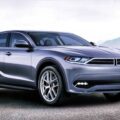 New 2026 Dodge Journey Redesign